A Day in the Life: Inside a Nomadic Camp in Kazakhstan
From dawn on the steppe to stories around the fire. What a single day looks like when you live with nomadic families in the Kazakh mountains.
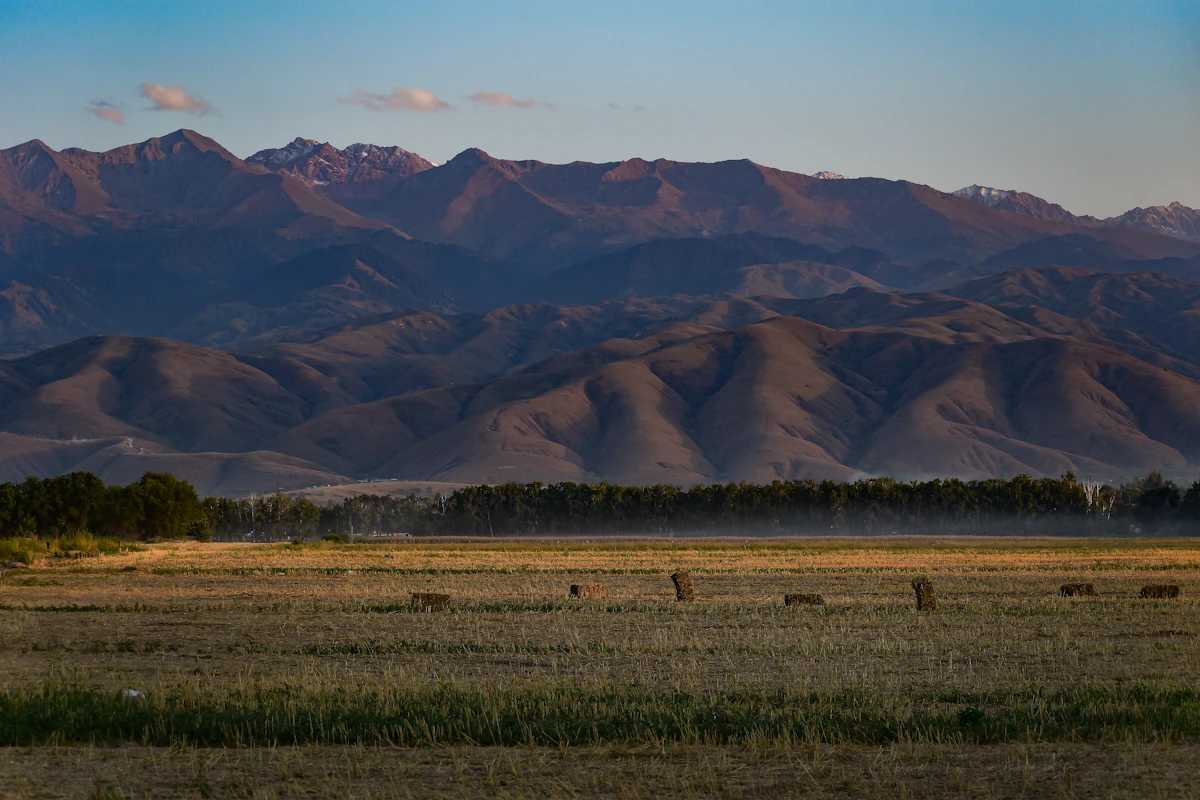
There is no alarm clock in a nomadic camp. The day begins when the light does. A slow, golden spill across the eastern ridges that wakes you before your eyes even open. You hear it first: the wind in the grass, the distant nickering of horses, the soft clank of the milk pail as Ainura, the elder who runs the camp, begins her morning routine.
This is what a day looks like when you step outside of time.
Dawn: 5:30 AM
The yurt is warm. The stove, fed with dried dung before sleep, has kept the chill at bay. You step out into air that smells like grass and woodsmoke and something else, something vast and clean that you have forgotten exists.
Ainura is already milking the mares. This is kumis season, the fermented mare's milk that nomads have produced for centuries. She does not rush. Each udder is handled with a rhythm that looks like prayer. When she sees you, she smiles. Not the performative smile of a hotel concierge. A real smile. The kind that says, You are here. Good.
You help carry the milk to the storage yurt. Your hands are cold. You do not mind.
Morning: 7:00 AM
Breakfast is bread, fresh cheese, and tea. Not the tea you know. Kazakh tea, strong, black, mixed with milk and a pinch of salt. It sounds strange until you drink it after a cold morning. Then it tastes like the only thing that makes sense.
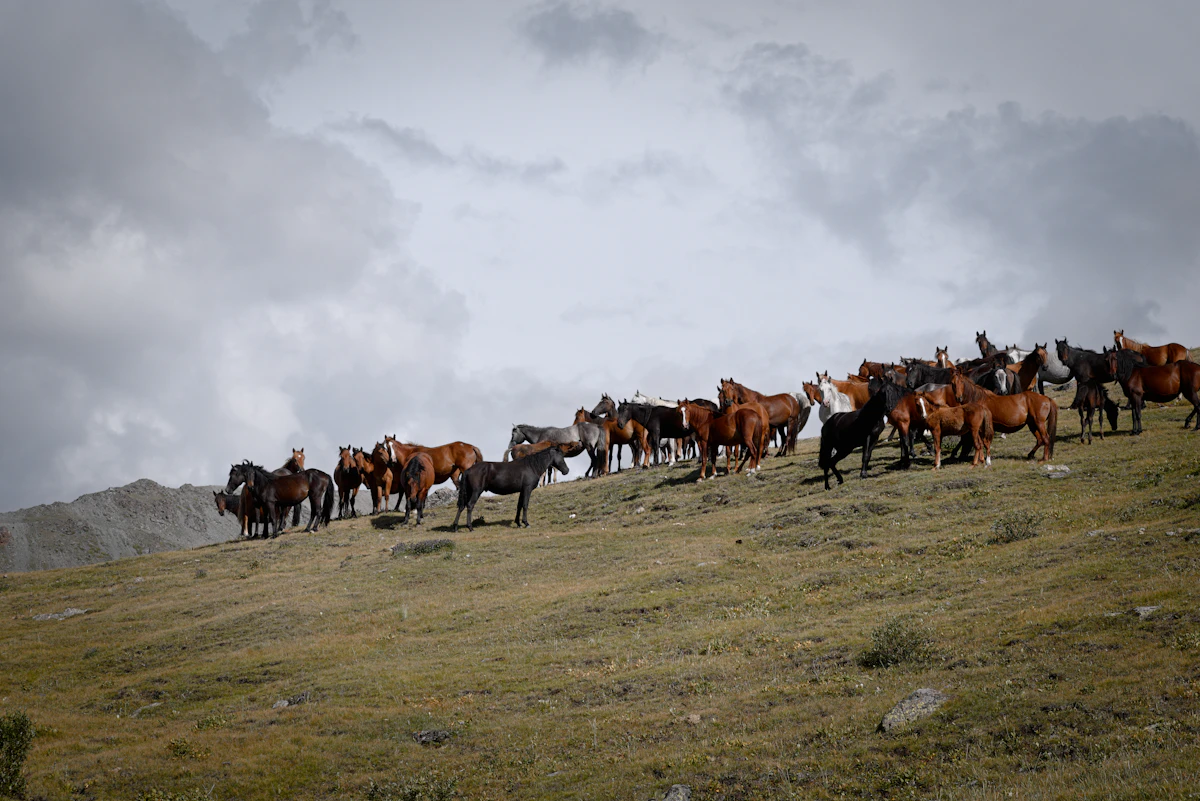
After breakfast, the horses are brought in from the pasture. This is not a dramatic process. There is no lasso, no galloping. The herd knows the routine. They drift toward the camp in a loose, lazy cluster, and the guides select the horses for the morning sessions. You do not choose your horse. The horse chooses you. This is the first rule.
Midday: 10:00 AM
The horse healing session begins. You walk to the pasture with your guide. No phone. No watch. The sun is your clock. Your horse is waiting, not tied, not confined. Just standing. Present.
The session is not a lesson. There is no curriculum. You brush the horse. You walk beside it. You learn to read the language of its body. The ears forward means curiosity, the tail swishing means something else, the deep, rhythmic breathing means I am here with you.
By the end of the session, you are different. You cannot say how. You just are.
Afternoon: 1:00 PM
Lunch is simple and abundant. Soup with handmade noodles. Grilled meat from a sheep that lived on this same grass. Tomatoes and cucumbers that taste like sunlight. Ainura's granddaughter, who is seven, watches you eat with the solemn curiosity of a child who has never seen a foreigner use a fork so badly.
After lunch, there is a rest period. The Kazakhs call it "deme alu", taking a breath. You lie on the grass or retreat to your yurt. Some guests sleep. Others stare at the clouds and realize they have not done this since childhood. The silence is not empty. It is full.
Late Afternoon: 4:00 PM
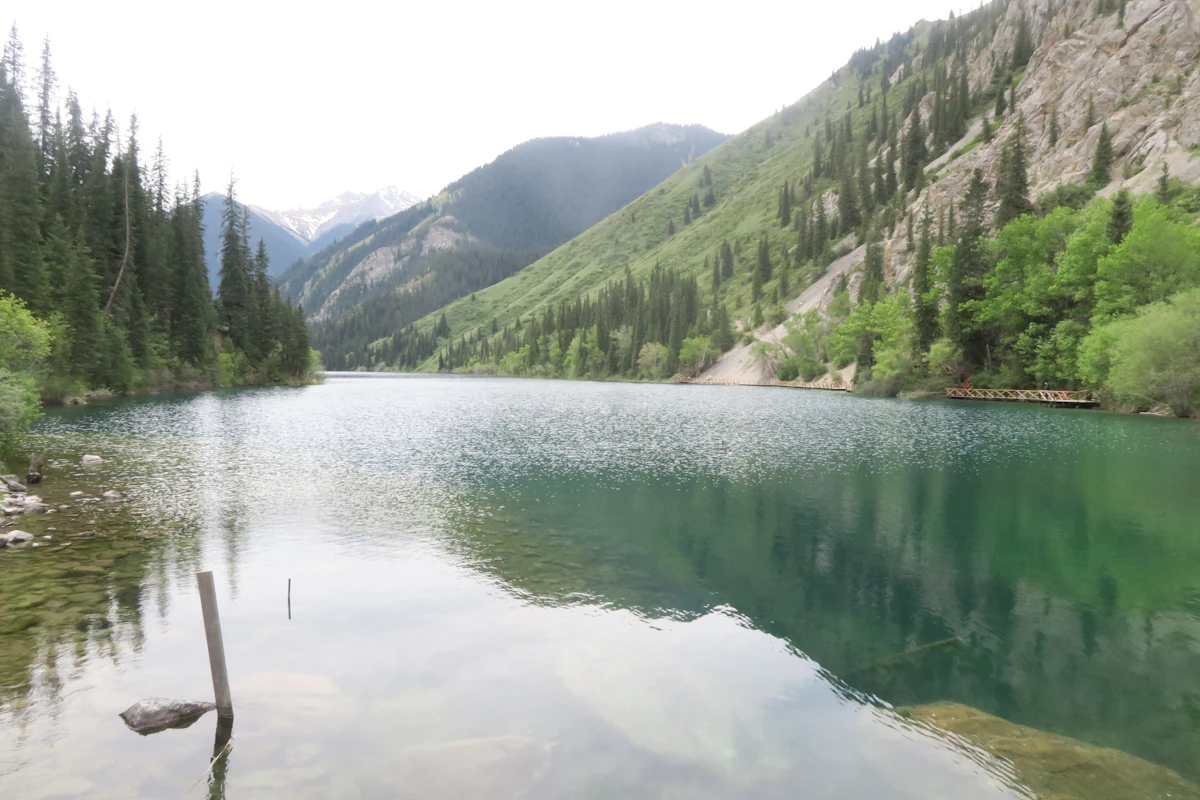
The afternoon activity varies. Some days, you ride deeper into the valley, past the camp, to a lake that reflects the mountains like a mirror. Other days, you visit a neighboring family. Eagle hunters, perhaps, or sheep herders who have lived on this land for five generations. They do not perform for you. They invite you in. You drink more tea. You try to speak with hands and smiles. It is enough.
Evening: 7:00 PM
Dinner is around the fire. The light is long and golden, the famous "Kazakh hour" that photographers travel the world to capture. The meat is slow-cooked. The bread is fresh from the clay oven. The stories begin.
Ainura's husband, Berik, tells a story about a wolf that came to the camp when he was a boy. The story is not about the wolf. It is about fear, and courage, and the way the land teaches you what you need to know. You do not understand every word. Your guide translates. But you understand the feeling. The fire pops. The stars emerge. The horses are dark shapes in the pasture, barely visible, utterly present.
Night: 10:00 PM
You return to your yurt. The stove is warm. The bedding is thick. Outside, the Milky Way is so bright it looks like a river of light. You have not seen stars like this since you were small. You wonder why you ever stopped looking.
You fall asleep to the sound of horses shifting in the dark. Their breathing is your lullaby. Tomorrow, the same day will happen again. And it will be completely different.
Why This Matters
The day I have described is not an itinerary. It is a rhythm. The nomadic life does not run on schedules. It runs on seasons, on weather, on the needs of the animals and the land. When you come to Beyond Steppe, you are not signing up for a program. You are entering a rhythm that has existed for thousands of years.
That is the difference between a tourist and a traveler. Between a vacation and a transformation.
That is what Kazakhstan has been waiting to show you.
Want to live a day like this? Apply for a retreat.
You might also like
What Is Horse Healing? The Science and Soul Behind It
How connecting with horses can lower cortisol, reduce anxiety, and create a sense of peace that n...
What to Pack for a Horse Healing Retreat in Kazakhstan
The complete packing guide for your retreat in the Kazakh mountains. What to bring, what to leave...
Why Kazakhstan Is Not What You Think. And Exactly What You Need
Beyond the jokes and the stereotypes lies one of the most breathtaking, welcoming, and misunderst...