What Happens After a Horse Healing Retreat: The Integration Guide
The days and weeks after a horse healing retreat are where the real change happens. How to integrate the experience, protect the shift, and carry the steppe into your daily life.
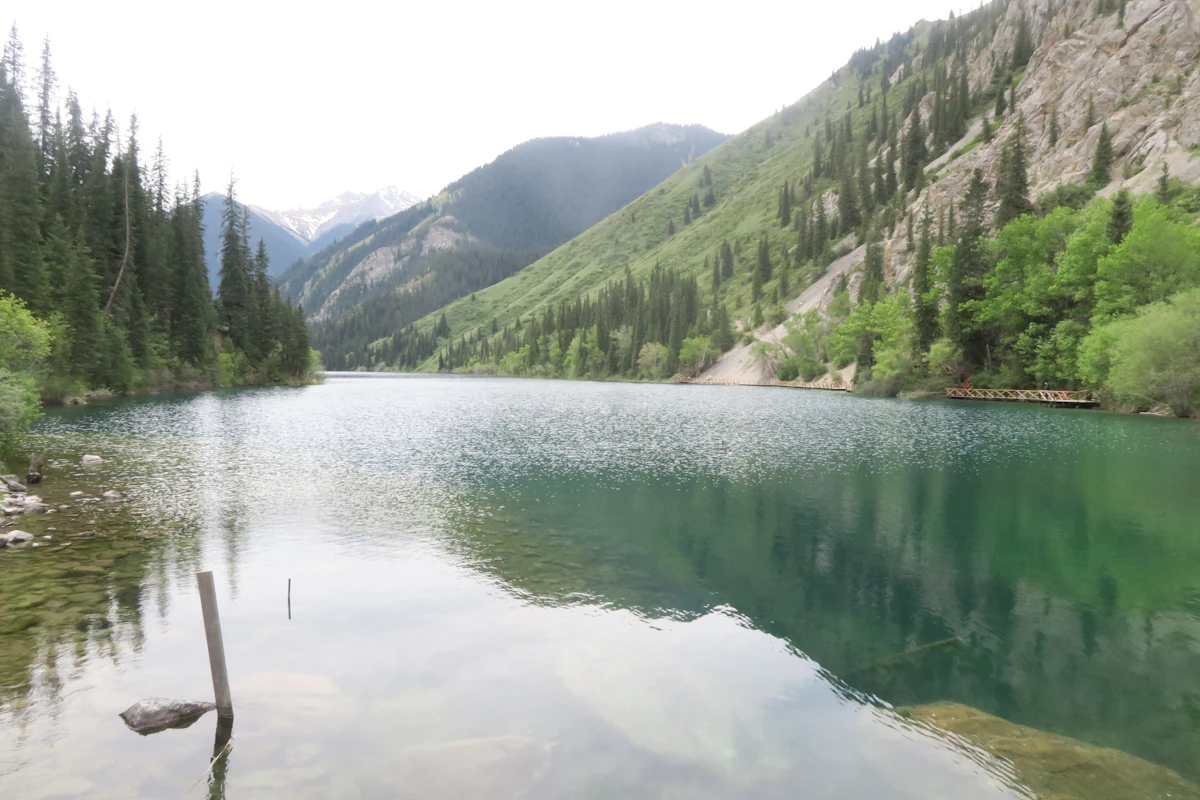
The retreat ends on the last day. But the work begins when you land back home.
This is the part no one talks about enough. The flight home, the airport, the inbox, the return to a world that did not pause while you were sleeping in a yurt and listening to horses breathe in the dark. The contrast can feel violent. And if you are not careful, the magic of the steppe can dissolve faster than the jet lag.
Integration is not an afterthought. It is the most important part of the journey. Here is how to do it well.
The First 48 Hours: Do Not Explain
You will want to tell people. You will want to describe the silence, the horse that stood beside you without being asked, the moment you felt something inside you finally release. You will want to show photos and find words for a place that does not translate well into language.
Resist the urge, at least for the first two days.
The experience is fragile when it is fresh. Other people's questions, skepticism, or even well-meaning enthusiasm can flatten it into a story before it has settled into your body. Give it time to land inside you before you try to land it in a conversation.
If someone asks how it was, say something simple: It was exactly what I needed. Then change the subject. The details are yours for now. They will keep.
Rebuild Slowly, Not All at Once
The most common mistake guests make is returning to full speed immediately. They check every email, respond to every message, and try to catch up on the life they left behind. Within three days, the nervous system is back in the same state it was in before the retreat.
Instead, treat your first week back as a continuation of the retreat, just in a different landscape. Keep one or two practices from the steppe alive. Wake up slowly. Eat without a screen. Take a walk without a destination. Sit with your breath for five minutes before you touch your phone.
The retreat taught you that you do not need to earn rest. Do not abandon that lesson the moment you have a Wi-Fi connection.
The Horse Is Still With You
You will miss the horses. This is normal. Some guests feel it as a physical ache, a longing for the warmth of a large animal standing nearby without asking anything.
You cannot bring a horse home. But you can bring what the horse taught you.
When you feel anxiety rising, remember the way the horse lowered its head when you exhaled. Do the same. When you feel overwhelmed, remember that the horse did not solve your problems. It simply stood beside you while you felt them. Find one person in your life who can do that, or learn to do it for yourself.
If you are struggling with anxiety or depression and want to understand the science behind why the horses helped, read our guide on equine therapy benefits for anxiety, depression, and PTSD. It will help you name what shifted, which makes it easier to keep.
Watch for the Old Patterns
The retreat is a powerful reset. But your environment is a powerful pull. The same job, the same relationships, the same habits, the same thought loops. They will all try to reclaim you.
This is not failure. It is gravity. And the only way to resist it is to notice it early.
When you feel yourself slipping back into old anxiety, ask yourself: What would I do on the steppe right now? Not literally. You cannot light a fire in your apartment. But would you rush? Would you judge yourself? Would you try to fix it immediately? Or would you sit with it, breathe, and let the discomfort pass through?
The steppe taught you that most things pass if you do not fight them. That applies to the city too.
The Photo Test
Here is a simple integration practice that works. Every morning for two weeks after you return, look at one photo from the retreat. Not the whole album. Just one. Then close your eyes and sit with the memory for sixty seconds. Do not try to feel anything. Just let the image do what it does.
This is not nostalgia. It is anchoring. You are teaching your nervous system that the state you felt in Kazakhstan is not a place. It is a capacity. And it is still available to you, even in traffic, even in a meeting, even when the inbox is full.
When to Return
Some guests ask when they should come back. There is no rule. Some return the following year. Others return after five years. A few never return physically, but carry the retreat with them in a way that makes returning unnecessary.
The steppe does not keep score. The horses do not remember your name, but they remember your presence. If you feel called back, you will know. If you do not, you will also know. Both are right.
In the meantime, the most important thing you can do is protect what you found. Not by building a shrine to it. But by living as if it were real. Because it was. And it still is.
If you are considering a return, or if this is your first time reading about what we do, browse our 2026 retreats and see what calls to you.
You might also like
How to Prepare Mentally for a Horse Healing Retreat
What to do before your horse healing retreat in Kazakhstan to get the most from the experience. M...
Is Kazakhstan Safe for Solo Female Travelers? A Personal Guide
An honest guide to solo travel in Kazakhstan for women. What to expect, how to stay safe, and why...
When to Visit the Kazakh Mountains: A Season-by-Season Guide
The best time to visit Kazakhstan for a horse retreat depends on what you want to experience. Spr...