Burnout Recovery
"Burnout retreat" has become a label you can put on almost anything: a hotel with a yoga schedule, a spa week, a silent weekend in the woods. Some of it helps. Most of it doesn't, not really, and the difference usually comes down to one thing.
What Most Burnout Retreats Actually Sell
Look closely at a lot of burnout retreats and you'll find a very nice hotel with a schedule attached. Sunrise yoga at seven, a workshop at ten, a spa treatment in the afternoon, dinner at eight. It's restful, in the way a good vacation is restful. But it's still an itinerary. You're still managing your time, still performing a version of relaxation on a timetable someone else built.
That's not nothing. But burnout isn't cured by a nicer schedule. It's caused by one, usually, and however gently.
What Actually Helps a Nervous System Reset
The research on burnout recovery keeps landing on the same few things: distance from the environment that caused it, time without a task to optimize, and something outside your control to pay attention to instead of your own thoughts. Not a workshop about mindfulness. Actual, unstructured contact with something that doesn't care about your inbox.
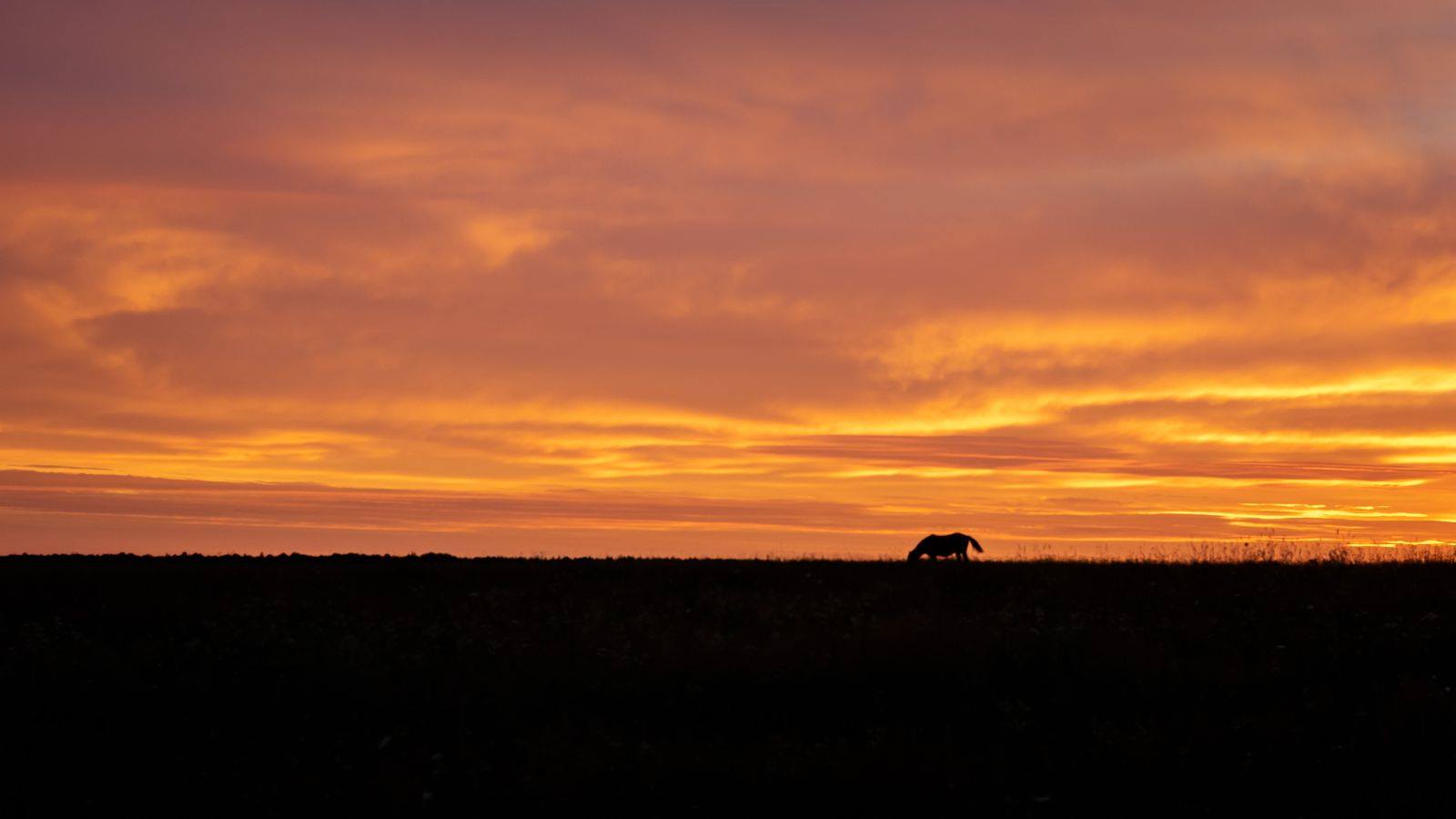
That's most of why we work with a semi-wild herd instead of a spa menu. A horse that hasn't been trained to perform calm around you is not decoration and not a metaphor. It's an animal that reacts to what you actually bring into the room, and that turns out to be a far more honest mirror than a quiet cabin on its own. We've written about why that specific stillness works if you want the longer version.
Why We Don't Call Ourselves Luxury Wellness
We could dress this up. We don't, on purpose. The yurts are real yurts, not glamping sets. The food is what the family actually cooks. Some days the weather doesn't cooperate and the plan changes. That's not a lower-budget version of a nicer retreat, it's the actual point: nothing here is performing for you, including the schedule.
What to Actually Look For, Even If It Isn't Us
If you're comparing options, a few honest questions cut through most of the marketing:
Is the group small enough that you're a person and not a headcount? Is there real unstructured time, or is every hour accounted for? Is there something there that asks for your presence rather than your performance, an animal, a landscape, a task with your hands? And do the people running it seem like they'd tell you the truth if this wasn't the right fit for you?
If the answer to that last one is yes, that's usually a good sign, wherever you end up going.
Keep Reading
More From the Journal


Ready to Meet the Herd?
Applications are read personally, by Dinara.