What to Expect in Your First Horse Healing Session
Your first equine therapy session can feel unfamiliar. Here is exactly what happens, step by step, so you can arrive with confidence instead of anxiety.
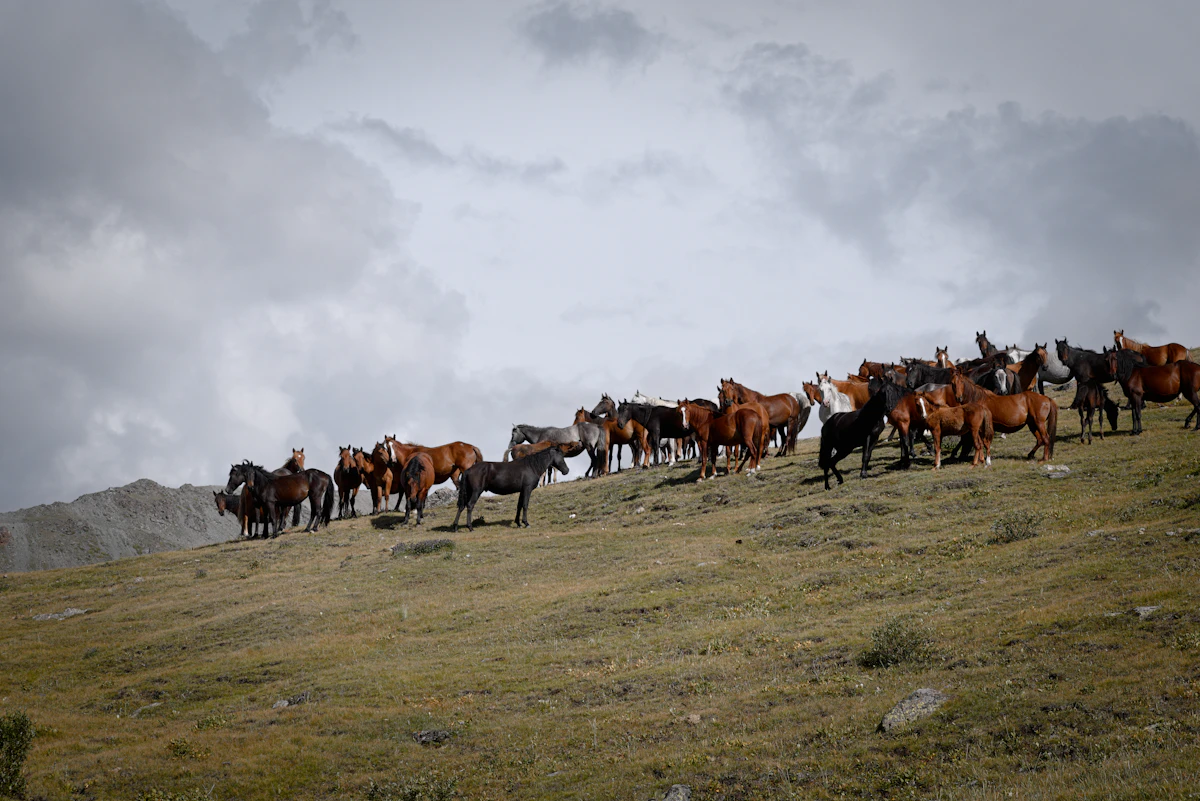
Most people arrive at our retreat with one feeling stronger than excitement: uncertainty. They have read about horse healing, or equine-assisted therapy, or they have heard that spending time with horses can be transformative. But they have never actually stood in a field with a thousand-kilogram animal and been asked to do nothing but be present.
This is the guide I wish I had read before my first session. Not because I needed instructions, but because I needed to know that uncertainty was normal, that there was no wrong way to do this, and that the horse would meet me exactly where I was.
Before the Session: The Briefing
Every guest receives a short briefing before their first horse session. This is not a lecture. It is a conversation. We sit in the common area of the camp or outside on the grass, and we talk about what horse healing is, what it is not, and what you can expect from your body and your emotions during the session.
Here is what I tell every guest:
- You will not be riding the horse. You may not even touch it if you do not want to.
- There is no goal, no test, no performance. You do not need to be good at this.
- The horse is not judging you. It is reading your nervous system. That is a very different thing.
- You might feel bored, anxious, emotional, or deeply calm. All of those are valid.
- Your guide is there for safety and support, but the session belongs to you and the horse.
Arriving at the Pasture
The session begins with a short walk from the camp to the pasture. The horses are not tied, fenced, or confined. They are grazing freely, moving in a loose herd, sometimes close together, sometimes spread out across the meadow. This is the first thing that surprises most guests: the horses are not waiting for us. They are living their lives, and we are entering their space.
Your guide will help you approach the herd. The rule is simple: move slowly, breathe deeply, and let the horse notice you before you notice it. The horses are always aware. They have already heard us, smelled us, and read our energy long before we arrive. The question is not whether they will accept us. The question is whether we will accept ourselves in their presence.
The First Moment of Contact
Every session is different, but most first sessions follow a similar arc. The guide will introduce you to a specific horse, not by choosing one for you, but by observing which horse is drawn to your energy. This might be the gentlest horse in the herd. It might be the most curious. It might be the one that keeps looking at you while pretending to graze.
The first contact is usually a moment of stillness. You stand near the horse. You do not reach out. You do not speak. You breathe. And the horse does the same. Within a minute or two, something happens that is difficult to describe but impossible to fake: your heart rate slows. Your breathing deepens. The static in your mind, the constant hum of tasks, worries, and noise, begins to quiet.
This is not magic. It is co-regulation. The horse's nervous system is detecting your state and responding to it. When you slow down, the horse slows down. When you become calm, the horse becomes calm. And because you can feel the horse's calm, you become calmer. It is a loop, and it works in both directions.
What the Session Actually Involves
After the first moments of stillness, the session can go in several directions. There is no script. Your guide will suggest activities based on what the horse is offering and what you are ready for.
Observing: Sometimes the most powerful session is simply watching. You sit or stand near the horse and observe its behavior, its ears, its breathing, its interactions with the herd. Many guests cry during this part. Not from sadness, but from the relief of being witnessed by something that asks nothing of them.
Grooming: If you are ready, you might brush the horse. The physical contact is grounding. The rhythm of the brush is meditative. The warmth of the horse's body is a presence that no human conversation can replicate. Many guests say this is the moment they feel most held.
Walking: Some guests walk with the horse, leading loosely or simply moving together through the pasture. This is not about control. It is about partnership. The horse chooses the direction. You follow. You learn to trust something larger than yourself.
Sitting in silence: This is the heart of the session for many guests. You sit on a log or a rock, or you stand beside the horse, and you do nothing. You think. You feel. You breathe. The horse stands nearby, grazing or resting, and you are together in a way that does not require words, effort, or performance. This is the moment where the healing usually happens. Not dramatically, but quietly. Like snow settling.
What You Might Feel
I have guided hundreds of guests through their first horse sessions, and I have heard almost every possible reaction. Here is what is common:
In the first 5 minutes: Anxiety, awkwardness, self-consciousness. Many guests worry they are doing it wrong. You are not. There is no wrong way.
In the first 15 minutes: A physical shift. Your shoulders drop. Your jaw unclenches. You might feel sleepy or suddenly aware of tension you did not know you were carrying.
In the first 30 minutes: Emotional release. Some guests cry. Some laugh. Some feel a sudden, inexplicable gratitude. Others feel nothing at all, and that is also fine. The absence of feeling is not a failure. It is often the body taking a breath after holding tension for years.
After the session: Most guests feel tired in a good way, like they have just slept deeply. Some feel energized. Some feel quiet and reflective. Almost all feel more present than they have in months.
What If I Am Afraid of Horses?
This is one of the most common questions we receive, and my answer is always the same: being afraid of horses is not a reason to avoid this. It is often the reason to do it.
The horses in our program are not aggressive, trained, or performance animals. They are semi-wild herd horses who have chosen to be near humans. They do not charge, bite, or kick. If you are afraid, your guide will help you stay at a comfortable distance. You might observe the horse from ten meters away. You might sit on a rock and simply watch. The horse will still read your energy. The co-regulation will still happen. Fear does not block the process. It is part of it.
In fact, many of our most transformative guests started with fear. Because learning to be present with fear, without running from it, is one of the most valuable things a horse can teach you.
After the Session
Each session is followed by a short integration period. You will return to the camp, have tea, and talk with your guide if you want to. Some guests want to talk. Others want silence. Both are welcome. There is no debriefing, no homework, no journaling requirement. Just space.
The effects of the session often continue for hours or days. Many guests report sleeping better, feeling less anxious, and experiencing a quiet sense of clarity. These are not placebo effects. They are the physiological results of co-regulation, lowered cortisol, and activated parasympathetic nervous system response.
If You Are Considering Your First Session
The only thing you need to bring to a horse healing session is yourself. You do not need to be calm, experienced, confident, or unafraid. You need to be willing to show up. The horse will do the rest.
If you are ready to experience this, apply for a retreat here. If you have more questions, email me directly. I read every message, and I will not send you a template.
You might also like
Equine Therapy Benefits for Anxiety, Depression, and PTSD
What the research says about horse therapy for anxiety, depression, PTSD, and burnout. How co-reg...
What Is Horse Healing? The Science and Soul Behind Equine Therapy
How horse therapy reduces anxiety, depression, and PTSD symptoms. The science of co-regulation, c...