Behind the Tours
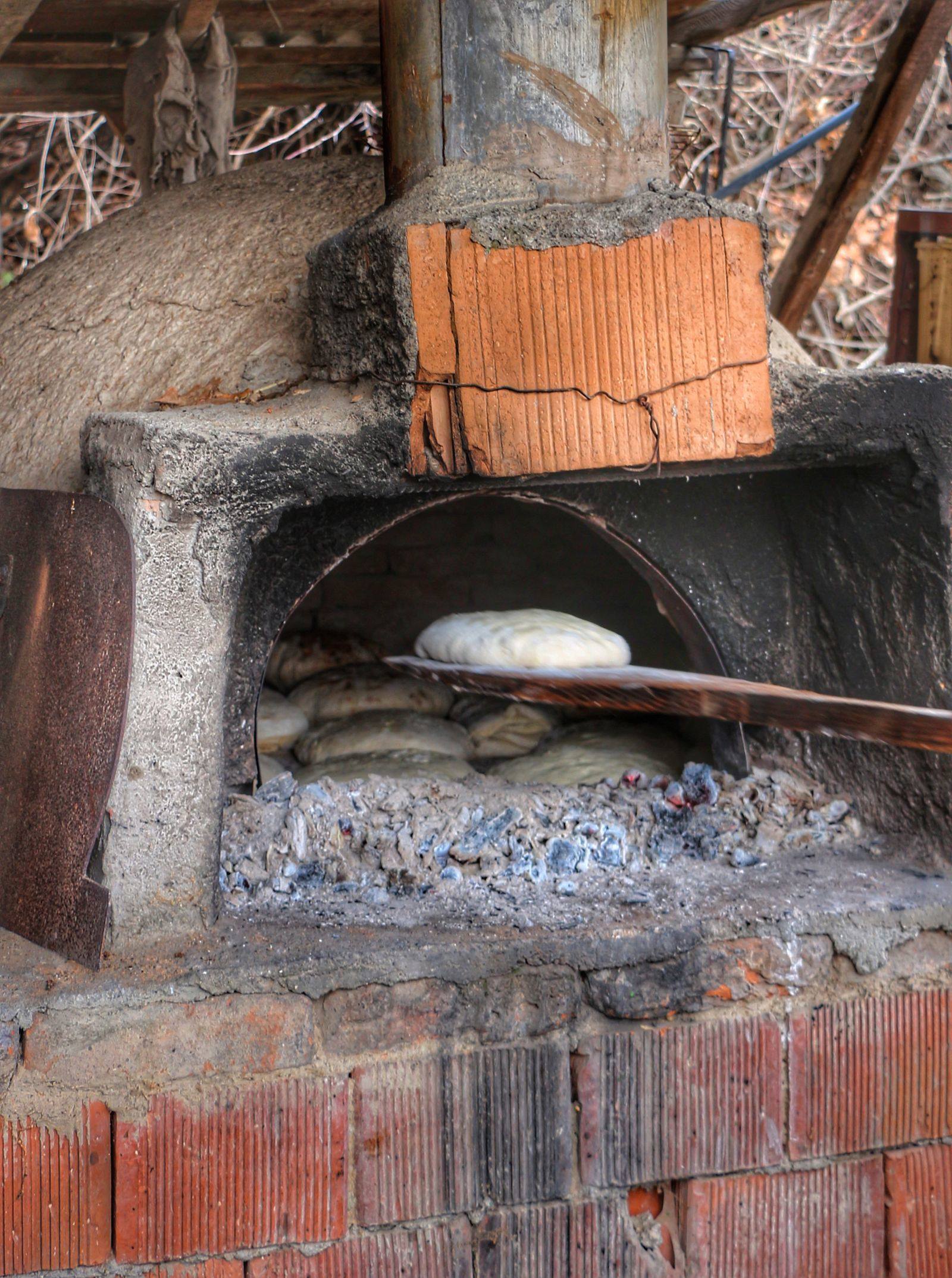
People ask us what "authentic hospitality" means on a tour, as if it's a menu item we can promise. It isn't. It's a byproduct of who you're actually staying with.
Not a Cultural Evening
Plenty of tour companies book a "traditional dinner" that's really a performance for tour groups, on a rotation, every night of the season. We don't do that. Every homestay and guesthouse on our routes belongs to a family we've stayed with ourselves, more than once, before we ever bring a group there.
Hospitality in Central Asia
In Kazakhstan and Kyrgyzstan, a guest is treated as an honor, and there's an old saying that a guest is sent by God. When you arrive, the table, the dastarkhan, is already being laid: bread, sweets, dried fruit, cream, and tea. The bread is treated with respect, so don't put it upside down or leave it on the floor.
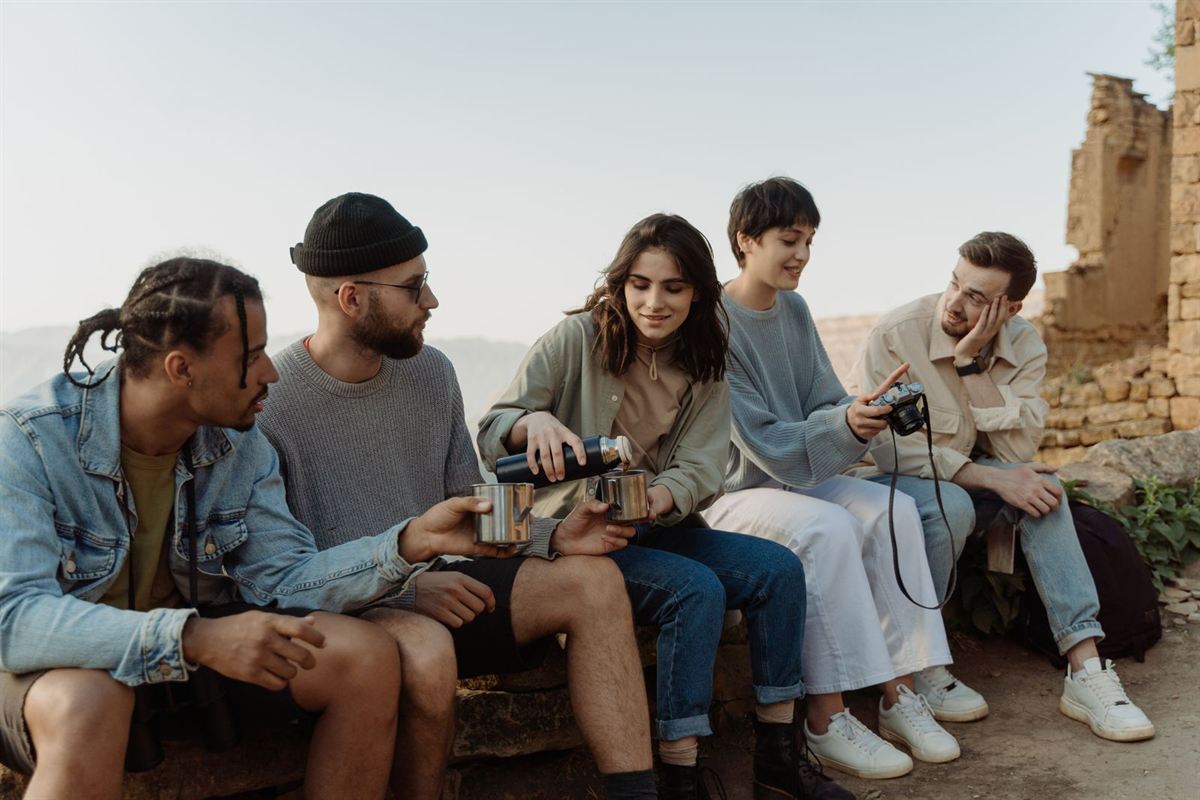
Tea is poured often and in small amounts. In Kazakh homes the bowl is usually filled only halfway, so the host can keep refilling it, which is a way of saying you're welcome to stay. When you've had enough, put your hand over the bowl or leave a little at the bottom.
For a special occasion, a family might make beshbarmak, boiled meat over wide flat noodles, eaten together from one big dish. In a Kyrgyz yurt camp, it might simply be a herder's family pouring tea because that's what you do when someone arrives, not because a script says to.
Hospitality in Europe
It looks different in Europe, but the idea is the same. In a Romanian village kitchen, it's someone teaching you to make sarmale, cabbage rolls, because they genuinely want you to get it right, and a small glass of homemade țuică, plum brandy, before dinner. In a Hungarian wine cellar in Eger, it's the winemaker pouring from the barrel and telling you about their grandfather's vines.
The common thread isn't the food or the country. It's that nobody involved is acting.
"The common thread isn't the food or the country, it's that nobody involved is acting."
How to Be a Good Guest
- Take your shoes off when you enter a home or a yurt.
- Accept at least a little of what's offered, especially tea. Refusing everything can come across as cold.
- Ask before photographing people, especially older family members.
- A small gift from your home country, like sweets or a local souvenir, is always appreciated, but never expected.
- Learn two words: "thank you." In Kazakh it's "rakhmet," in Kyrgyz "rakhmat," in Romanian "mulțumesc," in Hungarian "köszönöm."
What a Typical Evening Looks Like
Most evenings with a host family follow the same unhurried shape. You arrive, wash your hands, and are shown to a seat, often the place of honor furthest from the door, which is where guests sit in a Central Asian home or yurt. Tea comes first, always, with bread and something sweet, while the main dish is still cooking.
Conversation fills the gap, and language is rarely the barrier people fear. Your guide translates when needed, but a surprising amount happens through gestures, photos on phones, and the universal question of how many children everyone has. Older family members will want to know where you're from and whether you like the food. The honest answer is usually yes.
The main dish arrives late, sometimes very late by European standards, and the meal stretches long after it. Toasts are common, especially in Kazakhstan and Kyrgyzstan, and you may be invited to say a few words yourself. Something simple about thanks and family is always right. Nobody expects a speech, but everyone appreciates the effort.
By the end of the night you'll often have been offered more food than you can eat, another cup of tea, and an invitation to come back. That last part is meant sincerely.
What About Dietary Restrictions?
Central Asian cooking is built around meat, and refusing a dish a host made for you can feel awkward. That's why we ask about dietary needs when you apply and talk to every host before you arrive. Vegetarian guests eat well on our tours. It just takes a bit of planning, which is our job, not yours.
Why It Matters
This is also why we keep groups small, ten people or fewer. A family can host ten people at their table like guests. They can't do that for forty, not without it becoming a show. Small groups are what makes real hospitality possible instead of just marketed.
Common Questions
Will I stay with local families on your tours?
On some nights, yes. Our routes include family-run guesthouses and, in Kyrgyzstan, yurt camps run by herding families. Every one is a place our team has stayed before.
Should I bring a gift for hosts?
It's not expected, but a small gift from your home country, like sweets or a local souvenir, is always appreciated.
Can you accommodate vegetarians on the Central Asia tours?
Yes. Tell us when you apply and we'll arrange it with every host in advance. Central Asian food is meat-heavy, so the planning matters.
What is a dastarkhan?
A dastarkhan is the traditional Central Asian table spread laid for guests, with bread, sweets, dried fruit, cream and tea, and often a main dish like beshbarmak.
See Where This Takes You.
Applications are read personally, by Dinara.