Behind the Tours
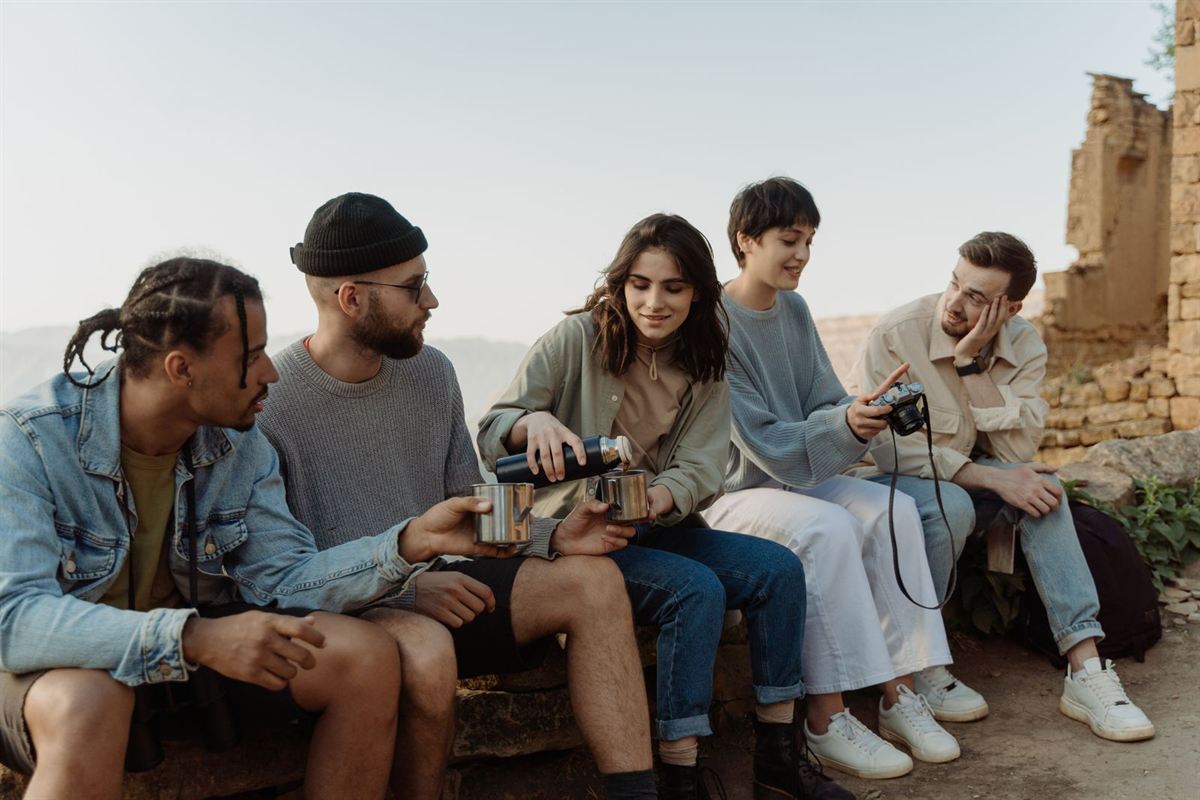
People ask how a company that started with a handful of trips near Almaty ended up running tours in seven countries across two continents. The honest answer: slowly, and with one non-negotiable rule.
The Rule: We Go First
Nobody on a Beyond Steppe tour goes somewhere I, or someone on our team, hasn't traveled personally, more than once, before we ever bring a guest. That's why Kyrgyzstan's high passes took more planning than Slovenia: some routes take longer to build the local relationships and permits that make a good trip possible.
How a Route Gets Built
A new tour starts as a trip we take for ourselves, not a product we design on a map. Roughly, it goes like this:
- We travel it. We drive the roads, sleep in the guesthouses, eat where the locals eat, and notice where the days feel rushed or empty.
- We find the people. Drivers, guides and host families matter more than any single sight. We look for people who are good at their work and who genuinely like having guests.
- We go again. A second trip, in a different season if possible, shows us what changes with the weather and what we got wrong the first time.
- We test it. Before a route goes on the website, it runs for friends or past guests who will tell us honestly what worked.
Only then does it become a tour. It's slow, and that's the point.
Why Central Asia First
It's where I'm from and where our local relationships already ran deep: drivers, guides and homestay families we'd trust with our own family. Expanding within Central Asia, into Kyrgyzstan, was a natural next step from the mountains where we started.
Why Europe Next
Central and Southeastern Europe, Hungary, Slovenia, Slovakia, Romania and Austria, share something with our original ground: they're full of places outsiders reduce to a single stereotype, when the reality is far richer. Building tours there let us apply the same philosophy to entirely new landscapes and cultures.
We chose one country per tour on purpose. We explain why in Five Small Tours, Not One Grand Tour.
"Nobody on a Beyond Steppe tour goes somewhere I haven't traveled personally, more than once, first."
How We Choose Local Guides
A good guide knows the facts. A great one knows people, can read a group, and will change the plan when the weather turns or someone is tired. We look for the second kind. Most of our guides are from the region they work in, and many we met while building the route, not through an agency.
What Makes a Place Right for Us
Not every beautiful place becomes a Beyond Steppe tour. Before we commit to a route, we ask a few simple questions.
- Can a small group be welcomed as guests there? If the main sights only work for big tour buses, it isn't for us.
- Is there more to it than one famous photo? We want places where the second and third day are as good as the first.
- Are there local people we'd be proud to work with? A route is only as good as its drivers, guides and hosts.
- Can it be done at a humane pace? If a trip only works with dawn starts and ten-hour drives every day, we rethink it or leave it.
- Does it challenge a stereotype? Many of our favorite places are ones outsiders have reduced to a single idea. Showing the real version is the reason we started.
If the answer to all five is yes, the route gets built. If not, we wait, and sometimes we come back to it years later.
What We Said No To
Growing slowly means turning things down: bigger groups, tight multi-country loops, and places that were popular but didn't feel right to us yet. Some of those may become tours one day. Others won't, and that's fine.
What's Next
We're not in a hurry to add an eighth country. Every new destination has to earn its place the same way the first seven did. In the meantime, every tour can be customized, so if you want to combine two countries or change the pace, tell us when you apply.
Common Questions
How does Beyond Steppe choose new destinations?
We travel a route ourselves, more than once, find the local guides and host families, and test it with friends or past guests before it becomes a tour.
Who guides the tours?
Dinara leads many trips herself, and every tour is led by someone from our team or a trusted local guide who has traveled that route before.
Will you add more countries?
Eventually, but slowly. A new country only becomes a tour after it has been traveled and tested the same way as the first seven.
Can you build a custom route that isn't on the website?
Often, yes, especially combinations of our existing countries. Tell us what you have in mind when you apply.
Keep Reading
More From the Journal
See the Full Map.
Two regions, seven journeys.