Slovenia Travel
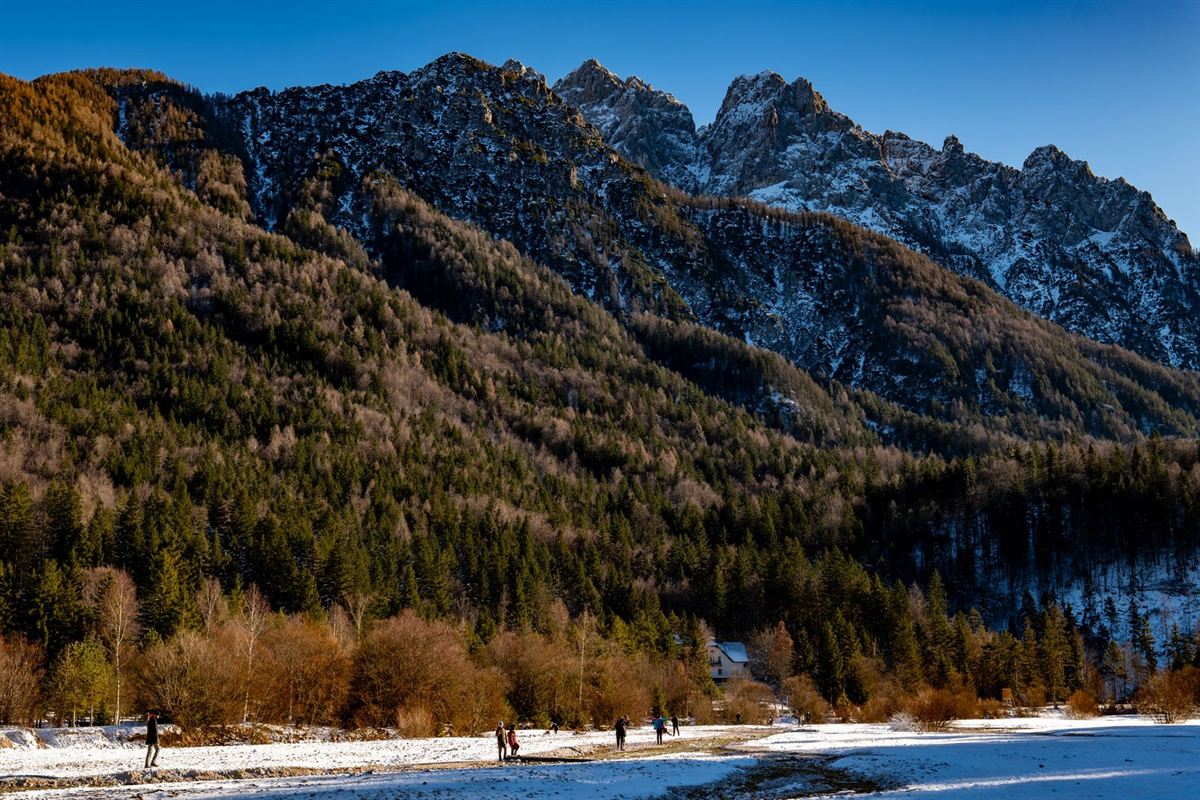
Slovenia is the country everyone recommends for a "first small trip to Europe," and then nobody tells you how little time most visitors actually give it. Here's how we'd spend five days there.
Ljubljana Is Smaller Than You Think
The old town takes half a day on foot: the Dragon Bridge, the riverside cafés, the Triple Bridge, a walk up to the castle. The center is car-free, and much of its look comes from one architect, Jože Plečnik, who redesigned the city's bridges, markets and riverbanks in the early 20th century. Don't over-schedule it. The city rewards wandering more than a checklist.
Go to the Central Market in the morning, and come back to the river in the evening when every café spills out onto the embankment.
How Many Days Bled Actually Deserves
One night at Lake Bled is a photo. Two lets you row out to the island church in the early morning before the day-trip buses arrive from Ljubljana, then hike up to Bled Castle for the view back down. If you only take one piece of advice from this guide, take that one.
You can reach the island by rowboat or by pletna, the traditional flat-bottomed boat rowed standing up. On the island, 99 stone steps lead up to the church, where visitors ring the wishing bell. Back on shore, try the kremšnita, Bled's famous cream cake.
For the best view of the lake, walk up to the Ojstrica or Mala Osojnica viewpoints. It's a short but steep climb, about 30 minutes, and best at sunrise.
Bohinj, the Quieter Lake
Half an hour further into the Julian Alps, Lake Bohinj is bigger, wilder and far less developed than Bled. Walk part of the shoreline, take the Vogel cable car up for a view across the whole range, or hike to the Savica waterfall. In summer the water is clear and cold enough to make a swim feel like an achievement.
Near Bled, Vintgar Gorge is a wooden walkway through a narrow canyon above a bright green river. Entry is ticketed with time slots in high season, so book ahead.
The Karst Caves, Without the Crowd
Postojna Cave is the famous one, and the tour-train entrance shows it: a small electric train carries you deep inside before the walking starts. It's impressive, and busy. Predjama Castle, built into a cliff face nearby, is an easy add-on.
Škocjan, less visited and reachable without a coach group, is the more dramatic of the two and a UNESCO World Heritage site. It's an underground canyon you cross on a footbridge high above a river you can hear before you see it. Go early or late in the day if you can.
Both caves stay at around 10°C all year, so bring a jacket even in August.
"Go early or late in the day, before the coach groups arrive at the cave mouth."
What to Eat in Slovenia
Slovenian food borrows from all its neighbors, Italian, Austrian, Hungarian and Balkan, and does it well. In Ljubljana, try štruklji, rolled dumplings filled with cottage cheese, sweet or savory. Kranjska klobasa, a smoked pork sausage from the region around Ljubljana, is served with mustard and fresh horseradish and tastes nothing like a supermarket sausage.
In the Karst region near the caves, the food turns Mediterranean: air-dried pršut ham, sheep's cheese, olive oil, and Teran, a deep red wine grown on the region's iron-rich red soil. Many farms open their doors as osmica, informal farm taverns that serve their own wine and food for a few days at a time, a tradition going back centuries.
And in the mountains around Bohinj, look for local cheese from the alpine dairies and trout from the lake and rivers. Slovenia has a strong farm-to-table culture without ever calling it that, so even simple roadside guesthouses tend to cook with what's grown nearby.
Getting Around
Slovenia is small enough that you rarely spend more than an hour or two in a car. Buses connect Ljubljana with Bled and Bohinj, and trains reach Postojna, but having a driver makes it much easier to see both lakes and a cave in a short trip without watching the timetable.
A Five-Day Shape
- Days 1-2: Ljubljana, with the market, the castle and an evening by the river.
- Days 3-4: Bled and Bohinj, with an early row to the island and a day in the mountains.
- Day 5: one of the Karst caves on the way back to the airport.
When to Go
Late spring and early autumn keep the Alps green and the caves cool without summer's coach-tour crowds. July and August are the warmest months for swimming, but also the busiest at Bled. We build our Slovenia tour around exactly this route.
Common Questions
How many days do you need in Slovenia?
Five days covers the highlights comfortably: Ljubljana, Lake Bled, Lake Bohinj and one of the Karst caves. The country is compact, and most sights are under two hours from Ljubljana.
Should I visit Postojna or Škocjan Cave?
Postojna is bigger and easier, with a train ride inside, but busier. Škocjan is quieter and more dramatic, with an underground canyon. If you only see one, we'd choose Škocjan.
Can you swim in Lake Bled?
Yes, in summer, from designated swimming areas. Lake Bohinj is colder and clearer, and less crowded.
What should I wear in the caves?
A warm layer and comfortable shoes. The caves stay at about 10°C all year, and paths can be wet.
Keep Reading
More From the Journal
Ready for Slovenia?
Applications are read personally, by Dinara.