Slovakia Travel
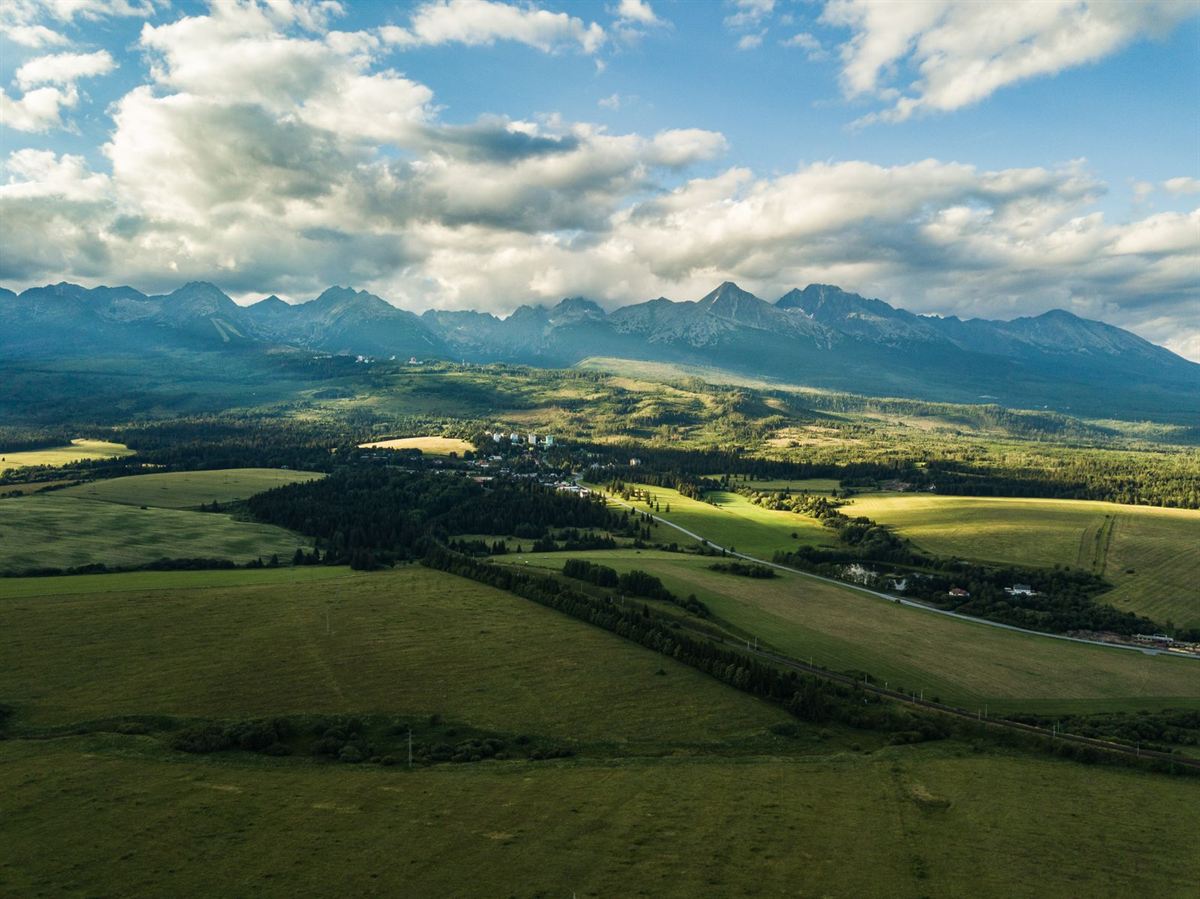
Slovakia gets treated as a stopover between Vienna and Budapest. It isn't one. It has one of the smallest capitals in Central Europe and a mountain range that rivals anything in the Alps, and almost nobody plans time for either properly.
Here's how we'd spend five days: two in Bratislava, three in the High Tatras, and a few things worth knowing before you go.
Bratislava Is Smaller Than You Expect
The castle hill and old town together take a relaxed day and a half on foot: narrow streets, a riverside dinner along the Danube, and views back over three countries from the castle grounds on a clear day. Don't over-plan it. This is a city built for wandering, not a checklist.
A few places most visitors miss:
- The Blue Church: the Church of St. Elizabeth, a few minutes from the old town, painted in pale blue inside and out. It looks like it was made from icing.
- The UFO Bridge: the observation deck on top of the Most SNP bridge has the best view of the city, and a restaurant if you want to stay for sunset.
- Devín Castle: a ruined fortress on a cliff where the Morava river meets the Danube, a short trip west of the city. Go late in the afternoon when the light hits the walls.
Getting to the Tatras
The High Tatras are in the north of the country, around four hours from Bratislava by direct train to Poprad. From Poprad, a small electric railway runs up into the mountain resorts of Starý Smokovec, Tatranská Lomnica and Štrbské Pleso, so you can get around without a car.
We drive this leg by private van, which takes about the same time and lets us stop on the way.
How Much of the Tatras You Can Actually See
The cable car up to Lomnický štít does the hard climbing for you, taking you to one of the highest points in the range, over 2,600 meters. Capacity at the top is limited, so tickets sell out on clear summer days. Book ahead.
The trails around Štrbské Pleso, a glacial lake ringed by peaks, range from an easy lakeside loop to a genuine full-day hike. One of the best medium walks goes from Štrbské Pleso to Popradské Pleso, a smaller, wilder lake with a mountain hut where you can stop for soup and a beer before walking back. You don't need technical experience for any of this, just a full day and decent boots.
What Surprises First-Timers
How fast the scenery changes. Bratislava's riverside flatness gives no hint of what's a few hours north: jagged granite peaks that feel more like the Dolomites than anything the phrase "Eastern Europe" suggests.
The mountain huts surprise people too. They're simple, warm, and serve proper food. Some are still supplied by porters who carry loads up on their backs.
"Jagged granite peaks that feel more like the Dolomites than anything the phrase 'Eastern Europe' suggests."
Two Things to Know Before You Hike
Seasonal trail closures. To protect wildlife, many of the high trails above the mountain huts close every year from November 1 to June 15. Lower trails and the lakes stay open, but if you want the high routes, come in summer or early autumn.
Bears. The Tatras have a healthy population of brown bears. Encounters are rare, but stay on marked trails, don't hike at dusk, and never leave food out. Your guide will know the current situation in each valley.
What to Eat in Slovakia
Slovak food is mountain food: filling, simple and made for cold days. The national dish is bryndzové halušky, small potato dumplings with soft sheep's cheese and crispy bacon. Every mountain hut and village restaurant has its own version, and it's at its best after a long walk.
Look out for kapustnica, a sour cabbage soup with sausage and mushrooms that's traditionally eaten at Christmas but served all year in the mountains. For something sweet, try parené buchty, steamed buns filled with jam or poppy seeds. In Bratislava, the wine bars in the old town pour local whites from the Small Carpathians wine region just north of the city, which most visitors have never heard of and are often surprised by.
Mountain huts are also where you'll eat best on hiking days. Most serve a short menu of soups, dumplings and cake, and many have a tradition of hot tea with something stronger added for tired walkers. Prices are reasonable, but bring cash, since card machines don't always work at altitude.
Worth the Detour: Spiš Castle
An hour east of the Tatras, Spiš Castle sprawls across a hilltop and is one of the largest castle complexes in Central Europe. It's a UNESCO site along with the nearby town of Levoča, and an easy add-on if you have an extra day.
When to Go
June through September for hiking, when the high trails are open and clear of snow. The range is also a genuine winter destination if you'd rather see it under snow, which is worth mentioning when you apply. Both seasons work with our Slovakia tour.
Common Questions
How do you get from Bratislava to the High Tatras?
Direct trains run from Bratislava to Poprad in about four hours. From there, the Tatra electric railway connects the mountain resorts, so you don't need a car.
Do you need hiking experience for the Tatras?
No. Cable cars reach the high viewpoints, and many trails, like the walk from Štrbské Pleso to Popradské Pleso, need only decent shoes and a full day.
When are the High Tatras trails open?
Lower trails and lakes are open all year. Many high trails above the mountain huts close from November 1 to June 15 to protect wildlife.
Are there bears in the High Tatras?
Yes, brown bears live there, but encounters are rare. Stay on marked trails, avoid hiking at dusk, and never leave food out.
Keep Reading
More From the Journal
Ready for Slovakia?
Applications are read personally, by Dinara.