Kyrgyzstan Guide
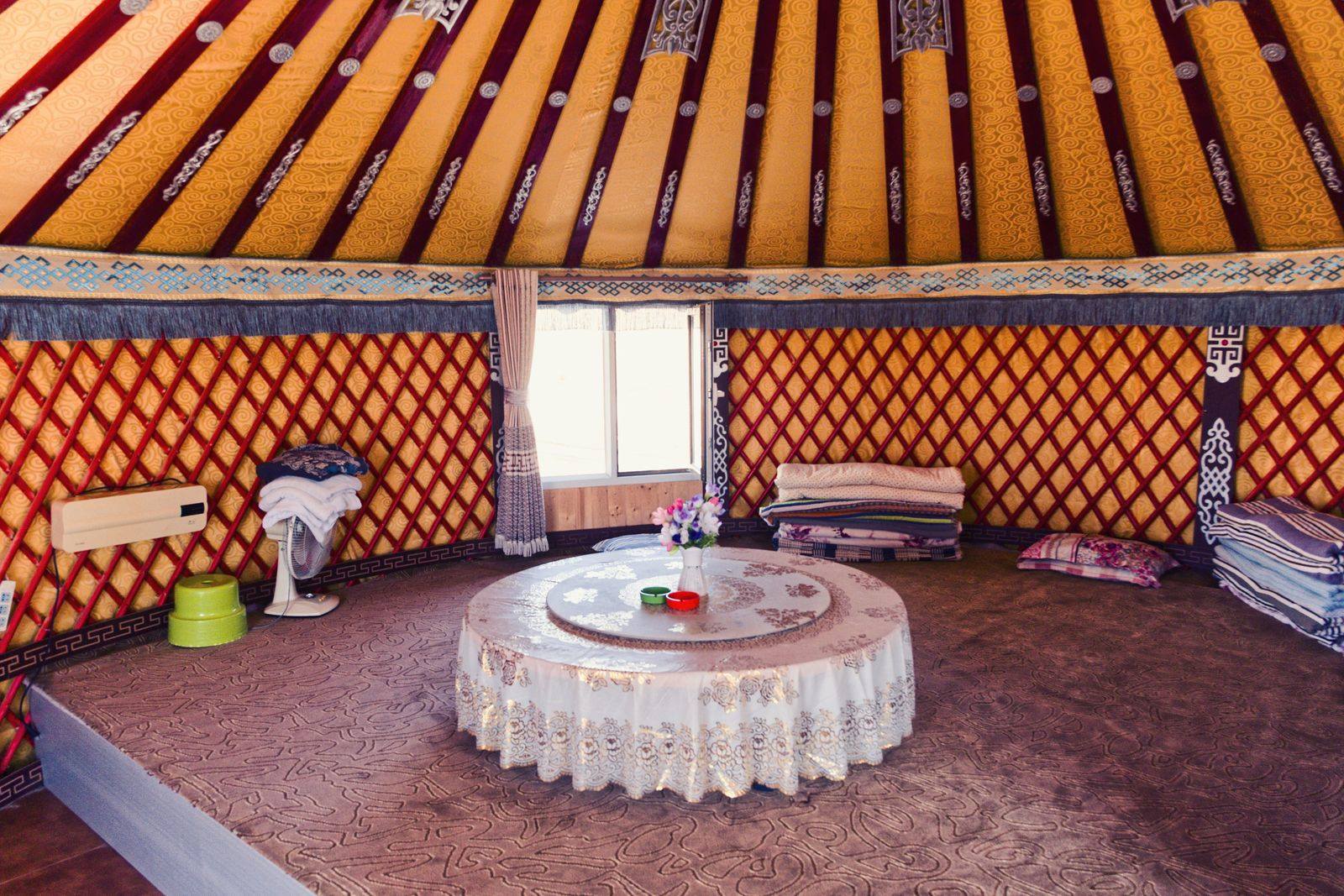
Song-Kul is a high mountain lake in the middle of Kyrgyzstan, about 3,000 meters above sea level and surrounded by open summer pasture. For a few months a year, herding families set up yurts along the shore, and some of them take in guests. Spending a night there is the reason a lot of people come to Kyrgyzstan in the first place.
It's also very different from a hotel, and the guests who enjoy it most are the ones who know what to expect. So here is the honest version.
Where Song-Kul Is and How to Get There
The lake is in Naryn region, in the center of the country. Most trips start in Bishkek and drive about 3 hours east to Kochkor, a small town where people stock up on supplies. From Kochkor, a gravel road climbs over a pass well above 3,000 meters and drops down to the lake.
Door to door, it takes most of a day. There's no public transport to the lake, so you'll need a driver or a tour. The last stretch is rough, and a high-clearance vehicle makes it a lot more comfortable.
When the Yurt Camps Are Open
The camps follow the animals. Families bring their sheep, horses, and cattle up to the high pastures in June and take them back down in September. Roughly, that means the camps run from June to mid-September.
July and August are the most reliable months. In early June and late September you get fewer people, but also a real chance of cold rain or even snow. Outside the season, the road can be blocked and the camps are gone.
What a Night in a Yurt Is Actually Like
A Kyrgyz yurt is a round wooden lattice frame covered in thick felt. The roof poles meet at a wooden ring at the top, called the tunduk, which lets in light and lets out smoke. If it looks familiar, that's because the tunduk is on the Kyrgyz flag.
Inside, you sleep on thick mats on the floor, under a pile of heavy blankets. Guest yurts usually sleep four to six people. Some camps can give you a yurt for just your group, which is worth asking for.
Most yurts have a small stove. Your hosts will light it in the evening, and it gets warm fast. It also burns out by the middle of the night, and by morning the air inside is cold. That's normal, and it's why there are so many blankets.
Toilets are outhouses a short walk from the yurts. Washing is usually a basin of water, and a few camps have a simple shower heated by the sun. Bring a headlamp for the walk to the outhouse at night.
How Cold Does It Get?
Colder than people expect. Days in July are often sunny and mild, warm enough for a t-shirt when the wind drops. Nights can fall close to freezing, even in midsummer, and the weather can turn in an hour.
Pack as if you were going to the mountains in autumn: a warm fleece or down jacket, a hat, and a rain shell. You'll use all three.
The Food
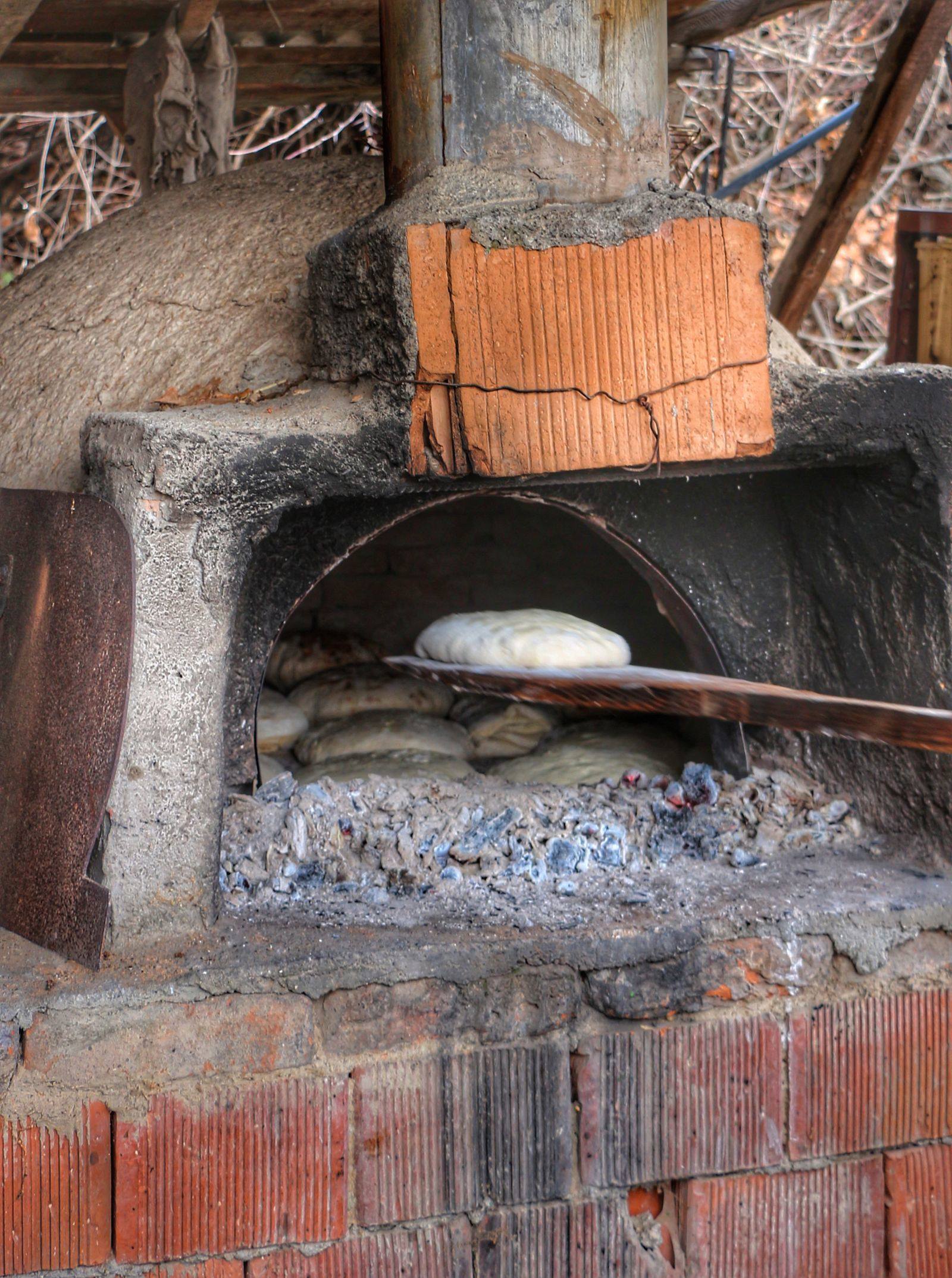
Meals are cooked by your hosts and eaten together at a low table. Expect a lot of bread, lamb or mutton in soups and stews, potatoes, and boorsok, small pieces of fried dough that appear at every meal. There will be fresh cream, homemade jam, and tea all day long.
In summer you'll probably be offered kymyz, fermented mare's milk. It's sour, slightly fizzy, and a big part of life in the pastures. Try a little. Some stomachs take a day to get used to it, so maybe not a full bowl on the first night.
If you're vegetarian, tell your guide or the camp ahead of time. It's possible, but the default menu is built around meat.
"The guests who love Song-Kul most are the ones who come for the people and the silence, not the plumbing."
Horseback Riding and Walking
Most camps keep horses and will take you out along the shore or up onto the ridges for a few hours. Kyrgyz horses are small, sure-footed, and calm, and plenty of people ride for the first time here. A local rider comes with you.
You don't have to ride. Walking along the lake in the evening, when the herds come back toward the camps, is one of the best things you can do there.
Altitude, Signal, and Other Practical Things
Altitude. At 3,000 meters, some people get a mild headache or sleep badly on the first night. Drink plenty of water, go easy on alcohol, and take the first evening slowly.
Phone signal. Expect little or none. A few camps have spotty coverage on a nearby hill. Tell people at home you'll be offline for a day or two.
Power. Some camps have a small solar panel for charging phones, but don't count on it. Bring a power bank.
Cash. Bring Kyrgyz som in small notes for horse rides and anything extra. There are no card machines at the lake.
What to Pack for Song-Kul
- A warm jacket, a hat, and gloves, even in July
- A waterproof shell
- A headlamp
- A power bank
- Sunscreen and sunglasses, because the sun is strong at altitude
- Wet wipes and a small towel
- Long trousers for riding
For a fuller list, our packing guide covers mountain trips in more detail.
How We Do It
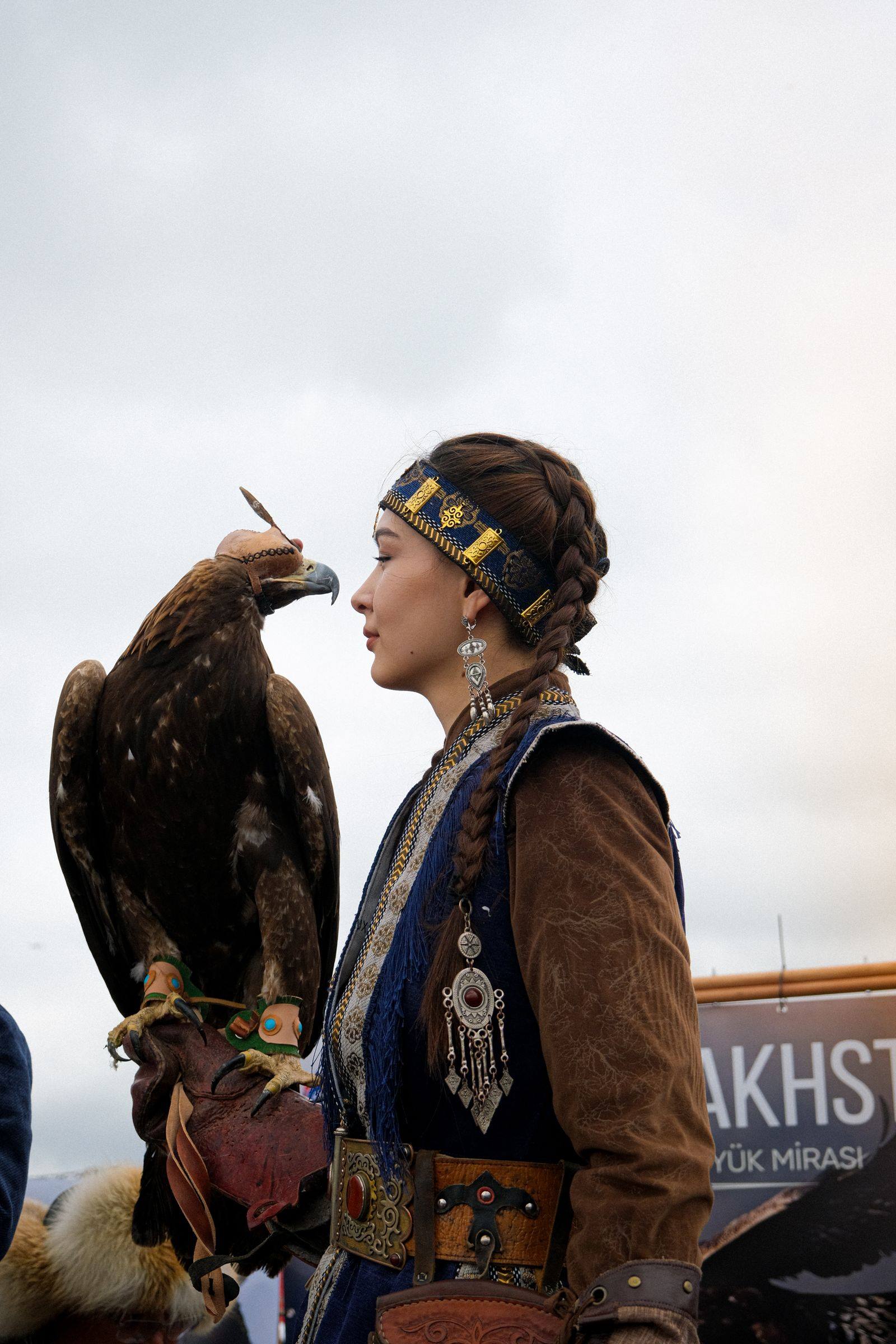
Song-Kul is the first stop on our Kyrgyzstan tour. We drive up from Bishkek, spend a full day around the lake on horseback and on foot, and sleep in a family-run yurt camp on the shore. Then we cross toward Karakol and Issyk-Kul, with an evening at the home of an eagle-hunting family on the way.
Song-Kul FAQ
How do you get to Song-Kul Lake?
Most people drive from Bishkek to the town of Kochkor, about 3 hours, then continue on a gravel road over a high pass to the lake. Door to door it takes most of a day. There is no public transport to the lake itself.
When are the yurt camps at Song-Kul open?
Roughly from June to mid-September, when herding families bring their animals up to the summer pastures. Outside that window the road can be closed by snow and the camps are packed away.
How cold does it get at Song-Kul?
The lake sits at about 3,000 meters, so nights can drop close to freezing even in July. Days are usually mild and sunny. Bring a warm layer and a hat.
Do you have to ride a horse at Song-Kul?
No. Riding is the classic way to explore the shore, and the local horses are calm enough for beginners, but walking around the lake is just as rewarding.
Keep Reading
More From the Journal
Spend a Night at Song-Kul With Us
Our Kyrgyzstan tour starts at the lake. Applications are read personally, by Dinara.