Austria Travel
Everyone photographs Hallstatt from the same viewpoint above the boat dock. Almost nobody tells you it takes half a day of trains and a ferry to actually get there, or why that's part of what makes it worth it.
This guide covers the two halves of a classic Austria trip: Vienna, which needs more time than most people give it, and the Salzkammergut lake district, which needs more patience. Here's how we'd plan it.
Give Vienna Its Three Days
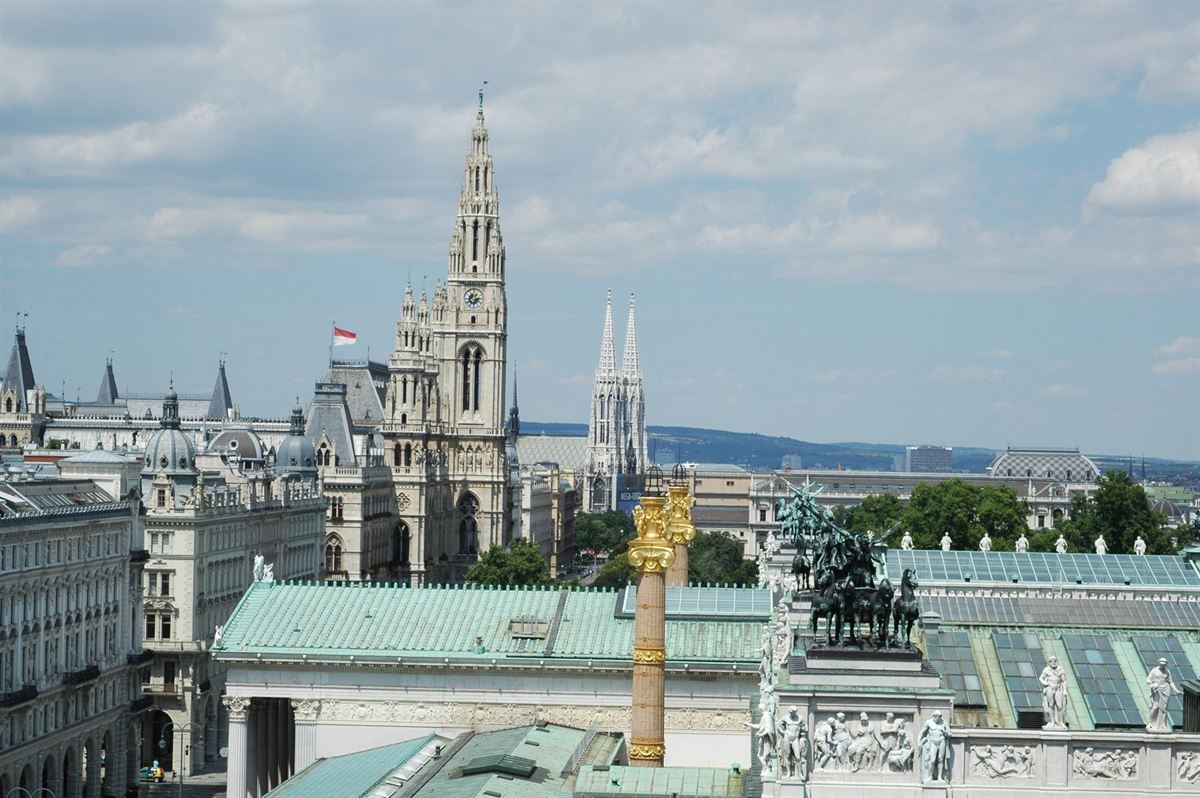
The Ringstrasse's grand buildings, Schönbrunn Palace, and a proper coffeehouse afternoon each deserve their own pace. Vienna rewards slowness more than almost any European capital, and rushing it to get to the mountains sooner is the most common mistake we see.
A rough shape that works: one day for the old town inside the Ring, with St. Stephen's Cathedral and the Hofburg; one day for Schönbrunn and its gardens; and one day split between the Belvedere, where Klimt's The Kiss hangs, and the Naschmarkt for a long lunch. Leave the evenings open. Vienna has music every night of the week, from the State Opera to small church concerts, and standing-room opera tickets cost less than a museum entry.
And take the coffeehouse seriously. Order a Melange, sit for two hours, read the newspaper on its wooden holder. Nobody will rush you. That's the point.
How to Actually Reach Hallstatt
The scenic route is the only good one: a train to Attnang-Puchheim, a short connecting train to Hallstatt station, then a small ferry across the Hallstättersee to the village itself. Door to door from Vienna it's around four hours.
It's slower than driving and considerably better. The lake appears through the train windows before you ever set foot on the boat, and arriving by water is how the village was meant to be seen. Hallstatt station is on the opposite shore, and the ferries are timed to meet the trains, so you won't wait long.
If you do drive, know that the village is mostly car-free and the parking lots outside it fill early in summer.
Beyond the One Viewpoint
The photo everyone takes is from the lakeside promenade near the Catholic church. Fewer people climb up to the Skywalk viewing platform above the village, or take the funicular to the old salt mine, one of the oldest in the world and still genuinely interesting rather than a tourist gimmick. Salt is the whole reason Hallstatt exists, and the region is a UNESCO World Heritage site because of it.
Stay the night if you can. Day-trippers leave by late afternoon, and Hallstatt at dusk, with the lake still and the lights coming on, is a completely different place from Hallstatt at noon.
"The lake appears through the train windows before you ever set foot on the boat."
The Rest of the Salzkammergut
Hallstatt is the famous one, but the lake district around it is full of places that see a fraction of the visitors.
- Bad Ischl: the old spa town where Emperor Franz Joseph spent his summers. His villa is open to visitors, and the town's pastry shops are reason enough to stop.
- Dachstein Krippenstein: a cable car from Obertraun, just across the lake, climbs to the Five Fingers platform, which hangs out over a sheer drop with Hallstatt far below. The Dachstein ice cave is on the same mountain and opens in the warmer months.
- Gosausee: a short drive from Hallstatt, a quiet lake with the Dachstein glacier reflected in it on a calm morning.
- St. Wolfgang: a lakeside village on the Wolfgangsee, with a rack railway up the Schafberg for one of the best views in the region.
Where to Eat and What to Order
Vienna's food is heavier and better than its reputation. Order Wiener Schnitzel in a traditional Beisl, the Viennese version of a neighborhood tavern, rather than in a tourist restaurant on the main squares. Tafelspitz, boiled beef with apple and horseradish sauce, was the emperor's favorite and is still a Sunday lunch for many families. For something quick, a sausage stand at night is a Viennese institution.
In the lake district, the menu shifts to fish. Char and trout come straight from the lakes, often smoked or grilled whole, and the guesthouses in Hallstatt and Obertraun serve them simply and well. Leave room for Kaiserschmarrn, a torn, caramelized pancake with plum compote that works as dessert or as an entire lunch after a cold morning on the water.
One practical note: many smaller places close one or two days a week and stop serving earlier than you might expect, especially outside the summer season. Book dinner in Hallstatt in advance, because the village has only a handful of restaurants and the overnight guests all want a table at the same time.
When to Go
Late spring through early autumn for the lake district, when the water is calm enough to reflect the mountains properly and the cable cars are running. September is our favorite month: warm days, cooler nights, and far fewer people than July and August.
Vienna itself is worth visiting any month, including a snowy December with its Christmas markets. Winter in Hallstatt is beautiful too, just quieter, colder, and with some attractions closed.
How We Do It
Both halves are built into our Austria tour: three unhurried days in Vienna, then the train and ferry to Hallstatt, with a night in the village so you see it after the crowds leave.
Common Questions
How long does it take to get from Vienna to Hallstatt?
About four hours door to door by train, with a change at Attnang-Puchheim and a short ferry across the lake from Hallstatt station to the village.
Is Hallstatt too crowded?
At midday in summer it can be. Staying overnight solves most of it: day-trippers leave by late afternoon, and early mornings and evenings are quiet.
Do you need a car for the Salzkammergut?
No. Trains, ferries, buses and cable cars connect the main places. A car gives you more flexibility, but parking near Hallstatt is limited.
Is Hallstatt worth visiting in winter?
Yes, if you like quiet and snow. Days are short and some attractions close for the season, but the village under snow is beautiful.
Keep Reading
More From the Journal
Ready for Austria?
Applications are read personally, by Dinara.